


-

Add: HeBei ShengShi HongBang Cellulose Technology CO.,LTD.
-

Email
13180486930@163.com -

CONTACT US
+86 13180486930

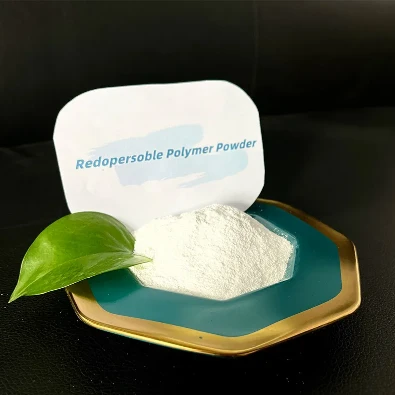



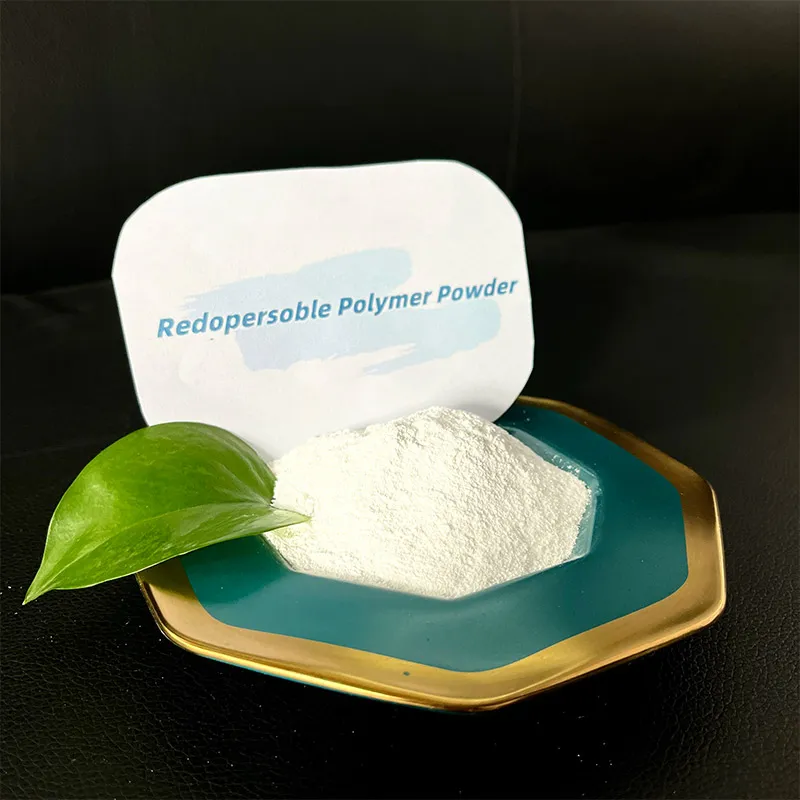
redispersible emulsion powder,redispersible latex powder,polymer powder,vae redispersible powder,redispersible powder is a key solution in the chemical industry industry, specifically within fine chemicals and Building Chemicals. This article explores how HeBei ShengShi HongBang Cellulose Technology CO.,LTD. supports professionals with durable, high-performance products, and explains why this product is an ideal choice for businesses in these sectors. Table of Contents redispersible emulsion powder,redispersible latex powder,polymer powder,vae redispersible powder,redispersible powder Overview Benefits & Use Cases of redispersible emulsion powder,redispersible latex powder,polymer powder,vae redispersible powder,redispersible powder in Building Chemicals Cost, Maintenance & User Experience Sustainability & Market Trends in chemical industry Conclusion on redispersible emulsion powder,redispersible latex powder,polymer powder,vae redispersible powder,redispersible powder from HeBei ShengShi HongBang Cellulose Technology CO.,LTD. redispersible emulsion powder,redispersible latex powder,polymer powder,vae redispersible powder,redispersible powder Overview Redispersible emulsion powder (often VAE redispersible powder) is a free-flowing polymer powder produced by spray-drying a waterborne emulsion and stabilizing it with a protective colloid. Upon contact with water, the redispersible latex powder forms a stable polymer dispersion that acts as a binder, improving adhesion, flexibility, and durability in cement- and gypsum-based systems. Typical building-chemicals grades are based on vinyl acetate–ethylene (VAE), with protective colloids such as PVA to ensure excellent redispersibility, workability, and storage stability. For formulators, this polymer powder enables targeted performance tuning—such as lowering minimum film formation temperature, enhancing tensile adhesion, improving deformability, and boosting abrasion resistance. Representative specifications include controlled particle size distribution, consistent bulk density, and optimized glass transition temperature (Tg) to balance flexibility and strength; specific values vary by grade and application and are provided on technical data sheets. HeBei ShengShi HongBang Cellulose Technology CO.,LTD. manufactures reliable VAE redispersible powder with tight quality control, multiple grades tailored to tile adhesives, skim coats, self-leveling underlayments, EIFS/ETICS systems, repair mortars, and waterproofing mortars—supporting consistent results from lab to large-scale production. Benefits & Use Cases of redispersible emulsion powder,redispersible latex powder,polymer powder,vae redispersible powder,redispersible powder in Building Chemicals In Building Chemicals, redispersible emulsion powder delivers measurable gains across many formulations. In tile adhesives, it improves wet and dry adhesion to challenging substrates, increases open time, and helps achieve slip resistance—facilitating upgrades from basic to higher performance classes. In EIFS/ETICS, VAE redispersible powder enhances flexibility and impact resistance of basecoats, helping systems tolerate thermal cycling. For skim coats and wall putties, polymer powder optimizes workability, reduces cracking, and improves surface quality. In self-leveling compounds, it strengthens cohesion, reduces dusting, and improves abrasion resistance without sacrificing flow. Cementitious waterproofing mortars benefit from reduced water permeability and improved crack-bridging. Key advantages versus alternatives include easy handling and dosing, excellent compatibility with cellulose ethers (such as HPMC), robust redispersibility, and proven performance in cement/gypsum matrices. HeBei ShengShi HongBang Cellulose Technology CO.,LTD. combines polymer know-how with application expertise, providing formulation guidance, rapid sampling, and consistent supply. Whether you need a flexible redispersible powder for deformable tile adhesives or a higher-Tg grade for abrasion resistance, our portfolio and technical service help B2B decision makers speed time-to-market and secure repeatable, specification-compliant outcomes. Cost, Maintenance & User Experience Total cost of ownership matters in competitive building chemicals markets. While unit cost of redispersible latex powder is higher than mineral fillers, the ROI comes from enhanced performance (better adhesion, crack resistance, cohesion), fewer jobsite callbacks, and upgraded product classifications that command price premiums. Improved workability and consistency also reduce production waste and simplify quality control. Many customers report smoother scale-up due to stable redispersibility and low dusting options that improve plant hygiene and dosing accuracy. From a maintenance perspective, polymer powder requires standard good practices: store sealed in a cool, dry area away from moisture; use on a first-in, first-out basis; and protect from caking. In finished products, the durability of VAE redispersible powder translates to longer service life for mortars and coatings, supporting life-cycle value. HeBei ShengShi HongBang Cellulose Technology CO.,LTD. offers grade selection support to optimize dosage—often in the 1–5% range depending on system—balancing performance and cost, and providing dependable logistics so your production schedules remain on track. Sustainability & Market Trends in chemical industry Sustainability is reshaping the chemical industry—especially in Building Chemicals, where low-VOC formulations, resource efficiency, and circularity are rising priorities. Redispersible powder helps by shipping the polymer “dry,” minimizing transport of water and reducing associated emissions. In many formulations, VAE-based polymer powder supports low-VOC targets and can help manufacturers design for compliance with evolving regional regulations. The shift toward energy-efficient buildings, renovation of aging infrastructure, and growth of EIFS/ETICS for thermal insulation are expanding the market for high-performance polymer binders. HeBei ShengShi HongBang Cellulose Technology CO.,LTD. invests in responsible production, quality systems, and continuous improvement to deliver consistent, high-performing redispersible emulsion powder solutions. By aligning portfolio development with standards and emerging regulatory expectations, and by supporting customers with clear documentation and technical data, we help B2B partners reduce risk, build greener products, and capture growth in premium segments. Our forward-looking approach ensures that both performance and sustainability requirements are met without compromise. Conclusion on redispersible emulsion powder,redispersible latex powder,polymer powder,vae redispersible powder,redispersible powder from HeBei ShengShi HongBang Cellulose Technology CO.,LTD. From tile adhesives and EIFS to self-leveling and waterproofing mortars, redispersible emulsion powder empowers Building Chemicals producers to achieve reliable adhesion, flexibility, and durability. HeBei ShengShi HongBang Cellulose Technology CO.,LTD. supplies high-quality VAE redispersible powder backed by application expertise and dependable service—helping B2B decision makers optimize performance, cost, and sustainability. Contact us: email: 13180486930@163.com Visit our website: https://www.sshbhpmc.com
- 40000tons

Production
- 20+years

Experience
- 5000+㎡

Acreage

-
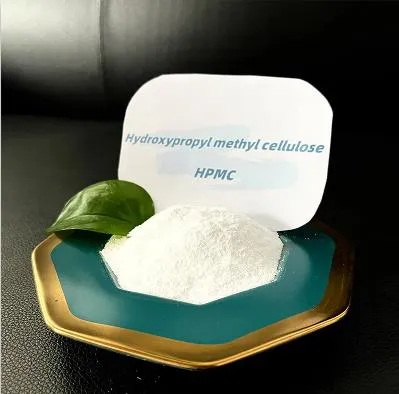
hpmc(Hydroxypropyl methylcellulose, 하이드록시프로필 메틸셀룰로오스)은 다양한 산업 분야에서 활용되는 다기능 첨가제다. hpmc의 화학식은 C56H108O30으로, 이는 셀룰로오스로부터 유래된 천연 고분자 화합물이다. 이 화합물은 특히 건축, 약품, 화장품 등의 분야에서 그 가치를 인정받고 있다. 첫째로, hpmc는 건축 산업에서 일반적으로 사용된다. 시멘트와 석고의 양생을 개선하고, 혼합물의 작업성을 높이는 데 기여한다. 건축 자재에 첨가될 경우, hpmc는 수분 증발을 방지하고, 접착 강도를 향상시켜 구조물의 내구성을 높인다. 이런 기능적 이점 덕분에 hpmc는 전 세계적으로 건축 산업에서 중요한 첨가제로 자리 잡고 있다. 의약품 산업에서도 hpmc의 중요성은 무시할 수 없다 . hpmc는 약물의 제제를 위한 캡슐 또는 정제의 형성을 지원하는데, 이는 약물의 붕괴 시간을 조절하고, 특정 환경에서 약물 방출을 조절하는 데 도움이 된다. 또한, hpmc는 비활성 물질이기 때문에 인체에 안전하며, 여러 제형에서 그 응용 가능성이 높다. 화장품에서는 hpmc가 다양한 기능을 수행한다. 점증제 및 안정제로서의 역할을 하여, 제품의 질감을 개선하고, 사용자의 피부에 부드러운 느낌을 전달한다. 크림, 로션, 젤과 같은 제품에서 사용될 때, hpmc는 제품의 첨가제를 균일하게 분산시켜 제품의 효능을 증가시킨다. 특히, hpmc는 수성 및 유성 혼합 제품에서 안정화제로서의 탁월한 성능을 발휘한다. hpmc 화학식 이처럼 hpmc는 다양한 산업에서 그 활용도가 높으며, 이는 과학적 연구와 장기간의 산업적 경험에 의해 뒷받침되고 있다. 각 산업 분야에서의 응용 사례는 hpmc의 효율성과 신뢰성을 입증하며, 이로 인해 hpmc는 각종 제품의 품질을 향상시키는 주요 요소로 자리매김하고 있다. 전문가들은 hpmc의 고분자 구조가 갖는 독특한 물리화학적 특성이 이와 같은 다기능성을 제공한다고 분석한다. 수용성과 점성을 조절할 수 있는 특성 덕분에, hpmc는 다양한 환경과 조건에서 효과적으로 작용할 수 있다. 특히 환경적으로도 안전하며, 식물을 원료로 하기 때문에 재생 가능하고 친환경적이다. 이런 특성들은 현대 산업에서 점점 더 중요해지는 지속 가능성의 요구를 충족시킨다. hpmc는 이렇게 여러 가지 금, 은, 동 등 귀금속 등의 바인더 역할도 가능하며, 이는 재료 산업에서도 큰 가치를 제공한다. 결론적으로, hpmc는 다양한 산업에서 없어서는 안 될 필수적인 구성 요소로 자리 잡고 있다. 과학적 연구와 산업적 경험을 통해 그 역할이 지속적으로 확장되고 있으며, hpmc의 화학 구조와 물리적 속성 덕분에 각 분야에서 혁신적인 솔루션을 제공하는 데 중요한 기여를 하고 있다.
-
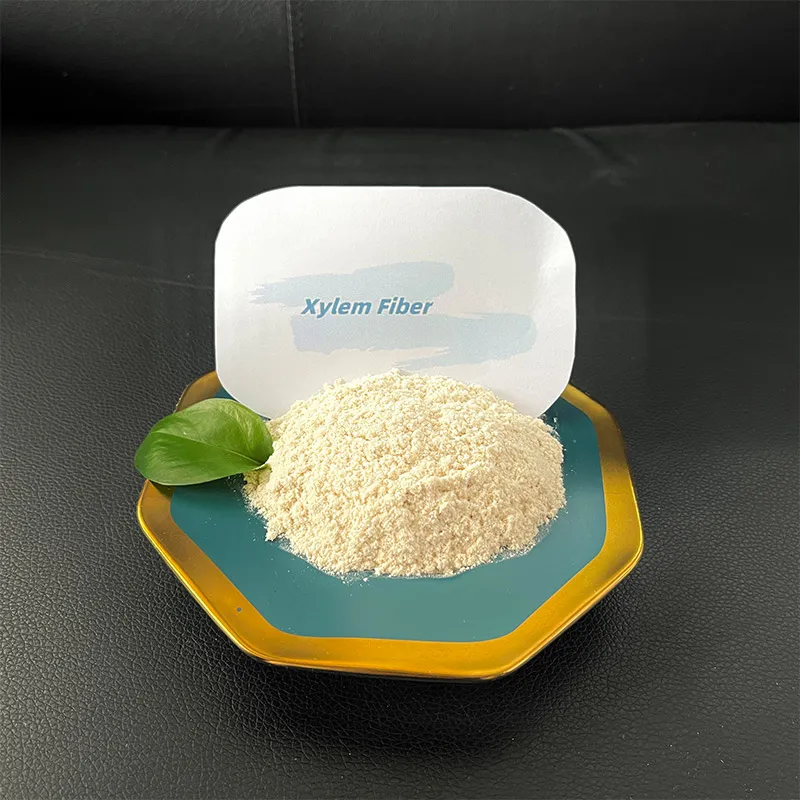
Hydroxypropyl methylcellulose (HPMC), also known as hypromellose, is a versatile compound used in various industries due to its valuable properties. With a unique blend of stabilizing, thickening, and film-forming abilities, it stands out especially in the pharmaceutical, food, and construction sectors. Understanding its features, applications, and benefits can offer a deeper insight into why HPMC is a crucial component in many formulations today. One of the distinguishing qualities of HPMC is its origin. Derived from cellulose, a natural polymer, it combines nature's reliability with chemical innovation. Through a process of etherification, cellulose undergoes transformation, enhancing its solubility and thermal stability—key factors contributing to its widespread usage. Because it is non-toxic, biodegradable, and shows excellent compatibility with a wide range of substances, it is esteemed for its safety profile, ensuring trust and reliability in its applications. In the pharmaceutical realm, HPMC plays a pivotal role as an excipient. It is commonly used as a binder in tablets, where it helps in sustaining the release of active ingredients, making medications more effective over longer periods. Its use in ophthalmic solutions is another notable example, where HPMC acts as a lubricant, providing relief from dry eyes. This versatility demonstrates its therapeutic potential, enhancing the efficiency and efficacy of pharmaceutical preparations. The food industry also capitalizes on the remarkable characteristics of HPMC. It acts as a thickener, stabilizer, and emulsifier in various food products, from sauces and dressings to baked goods and dairy items. Its ability to maintain moisture and improve texture without altering the taste makes it invaluable, contributing both to product consistency and consumer satisfaction. what is hydroxypropyl methyl cellulose Further endorsing its multi-industry prevalence is HPMC's role in construction. Here, it is integral to the formulation of many modern building materials. Used in cement renders, gypsum products, and tile adhesives, HPMC improves workability and adhesion while reducing water retention. These properties enhance the durability and longevity of construction applications, confirming its importance in structural integrity. Moreover, the resilience of HPMC in varying temperatures—retaining its properties from freezing to boiling points—adds to its adaptability and reliability in different environmental conditions. As global standards call for more environmentally friendly and efficient materials, HPMC aligns perfectly with these needs. As a biodegradable substance, it provides an environmentally conscious option for companies seeking sustainable solutions, further cementing its status as a preferred choice in manufacturing. In conclusion, hydroxypropyl methylcellulose is more than a mere chemical entity; it embodies the intersection of safety , efficacy, and functionality. Whether utilized in pharmaceuticals, food products, or construction, HPMC stands as a testament to innovation in material science. Its integration into various sectors underscores its necessity and versatility, making it an irreplaceable ingredient in modern industry applications. As industries continue to evolve, the reliance on materials like HPMC that deliver consistent quality while adhering to safety and environmental protocols will undoubtedly increase, paving the way for future advancements.
advantages
-

200000 Viscosities
Excellent product
We can produce pure products up to 200,000 viscosities
-

40000 tons
High yield
We don’t stop production all year round, and the annual output can reach 40,000 tons
-

24 hours
Quality service
We provide 24-hours online reception service, welcome to consult at any time
———— Inquiry Form
Schedule A services



-
 pp_fiber_manufacturers
Oct . 25, 2025
Navigating the ever-evolving landscape of recycled rubber powder pricing demands a nuanced understan -
 presyo_ng_methyl_hydroxyethyl_cellulose
Oct . 25, 2025
When it comes to versatile materials in various industries, HPMC Hydroxypropyl Methylcellulose stand -
 pp_staple_fiber
Oct . 25, 2025
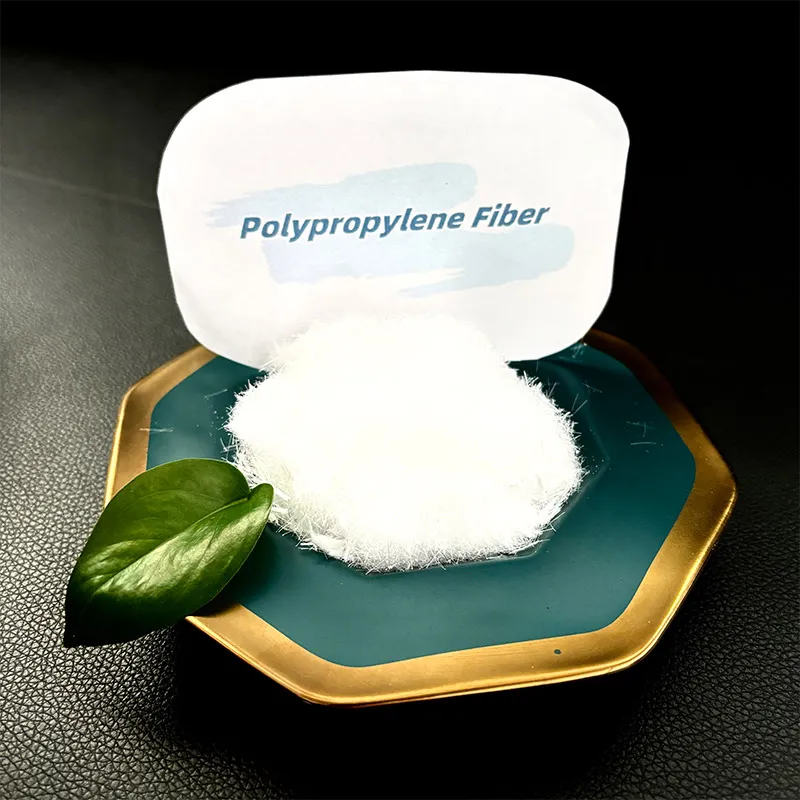
The Rise of PP Fiber Manufacturers A Look into the Industry In recent years, the global demand for p


